
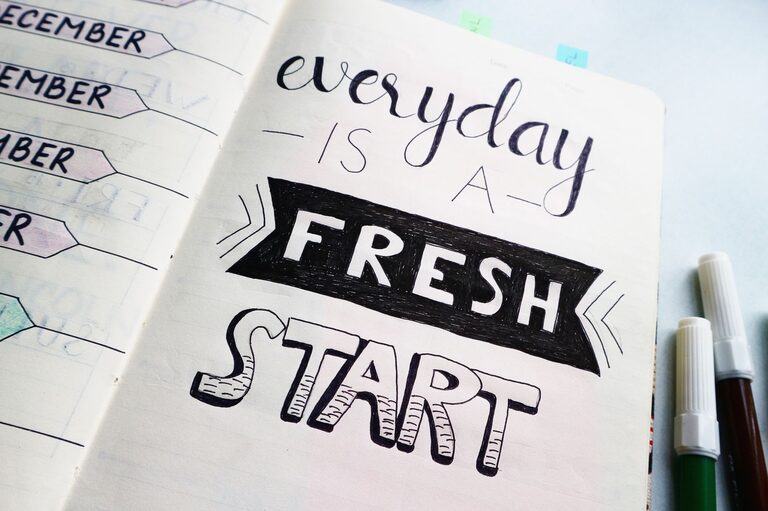
Creativity is not just for artists or writers; it’s a valuable skill that everyone can develop and benefit from. Whether you want to solve problems more effectively, enjoy hobbies, or simply add some spark to your everyday routine, practicing creativity daily can help you nurture new ideas and fresh perspectives.
In this post, we’ll explore simple and practical ways to incorporate creativity into your daily life. These activities don’t require special skills or a lot of time—just a willingness to try something new and have fun.
Why Practice Creativity Every Day?
Creativity helps us approach challenges with fresh eyes and develop innovative solutions. It encourages flexibility in thinking and can improve mental well-being by making life more engaging. Like any skill, the more you practice, the stronger your creative muscles become.
Now, let’s look at straightforward ways to make creativity a regular part of your day.
1. Keep a Creative Journal
Writing or drawing in a journal daily can be a great way to capture ideas, thoughts, and inspirations as they come.
– How to start: Dedicate just 5–10 minutes a day to jot down anything that sparks your interest—ideas, dreams, doodles, or observations.
– Benefits: This practice helps you recognize patterns in your thinking and sparks new connections between ideas.
2. Change Your Environment
A change of scenery can stimulate creativity by exposing you to new sights, sounds, and experiences.
– Try this: Rearrange your workspace, visit a local park, or explore a new neighborhood.
– Tip: Even small changes, like adding plants or new decorations, can refresh your perspective.
3. Practice Mindfulness and Observation
Being present and observant improves your ability to notice details that inspire creativity.
– Simple exercise: Spend a few minutes focusing on your surroundings without distractions. Notice colors, textures, smells, or sounds.
– Why it helps: This practice sharpens your senses and encourages you to think about things differently.
4. Set Aside Time for Creative Play
Creativity thrives when you allow yourself to explore without pressure.
– Examples: Try coloring books, building with blocks, cooking new recipes, or experimenting with photography.
– Remember: The goal is to enjoy the process, not to create a perfect product.
5. Try the “What If” Game
Challenging your usual way of thinking can open doors to new ideas.
– How it works: Ask yourself “What if…” questions related to everyday objects or situations. For instance, “What if a chair could move on its own?” or “What if I could combine two hobbies?”
– Result: This helps you break free from conventional thought patterns and explore creative possibilities.
6. Collaborate and Share Ideas
Talking to others and exchanging ideas can fuel your creativity.
– Ways to do it: Join a local or online creative group, attend workshops, or simply chat with friends about your interests.
– Benefit: Collaboration introduces new viewpoints and can inspire innovative thinking.
7. Limit Screen Time and Embrace Analog Activities
While technology offers many creative tools, sometimes stepping away from screens allows your mind to wander and invent.
– Try this: Spend part of your day reading books, sketching on paper, or brainstorming ideas by hand.
– Effect: This unplugged time can enhance focus and foster original thinking.
8. Make Mistakes and Embrace Imperfection
Fear of failure can stifle creativity. Allow yourself to experiment and accept that not every idea will work perfectly.
– Mindset shift: Treat mistakes as learning opportunities and chances to discover unexpected outcomes.
– Encouragement: Remember, many great inventions and artworks came from trial and error.
9. Use Prompts and Challenges
Sometimes, having a starting point helps jumpstart creativity.
– Where to find prompts: Websites, books, or apps offer daily writing, drawing, or photography challenges.
– Advantage: Prompts push you to think about topics you might not have considered before.
10. Reflect on Your Creative Progress
Taking time to review what you’ve created keeps you motivated.
– How to reflect: Look back at your journal entries, photos, or other projects. Notice how your ideas and skills have evolved.
– Outcome: Reflection builds confidence and encourages you to continue exploring your creativity.
—
Final Thoughts
Creativity is a natural part of being human, and with daily practice, you can unlock more of your imaginative potential. By incorporating these simple routines into your life, you’ll find that creativity becomes not just an occasional spark but a constant companion.
Start small, be patient, and most importantly, enjoy the process of creating. Your everyday creativity awaits!