
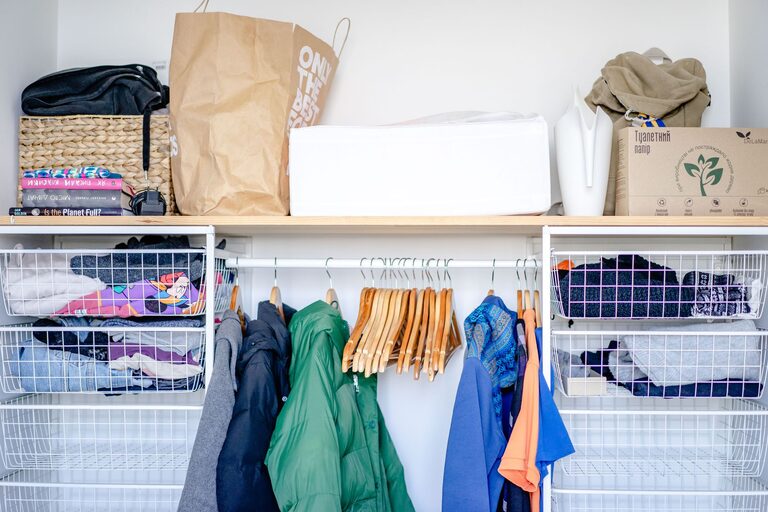
Storing seasonal clothes efficiently can save you time, space, and stress. Whether you’re putting away bulky winter coats or lighter summer dresses, organizing your wardrobe for the off-season helps keep your clothes in good condition and your closet clutter-free. In this post, we’ll explore practical tips and easy-to-follow steps to store your seasonal clothes smartly.
Why Proper Storage Matters
Clothes that are stored poorly can become wrinkled, stained, or even damaged by pests or moisture. Proper storage preserves your garments’ quality and extends their lifespan. It also makes switching seasons easier because your off-season clothes are neatly packed away and your current wardrobe is organized.
Preparing Clothes for Storage
Before packing seasonal items away, take these important steps:
1. Clean Everything Thoroughly
Dirt, sweat, and stains can attract pests like moths and cause discoloration over time. Wash or dry clean your clothes according to care labels. Make sure everything is completely dry before storing.
2. Repair Damage
Check for loose buttons, broken zippers, or small tears. Repairing clothes now helps keep your wardrobe ready to wear next season.
3. Sort and Declutter
Decide what you want to keep, donate, or discard. Removing items you no longer wear frees up space and simplifies your storage.
Choosing the Right Storage Solutions
Selecting appropriate containers and storage spots is key to maintaining your clothes.
Types of Storage Containers
– Plastic Bins with Lids: Ideal for protecting clothes from moisture and pests. Choose clear bins to easily see what’s inside.
– Breathable Fabric Bags: Best for delicate fabrics like wool or silk, as they allow air circulation.
– Vacuum-Sealed Bags: Great for reducing volume—especially for bulky items like sweaters and coats—but avoid long-term storage as compression can damage fibers.
– Storage Boxes with Dividers: Useful for separating smaller items like scarves and hats.
Labeling Your Storage
Label your containers clearly with contents and season (e.g., “Winter Sweaters” or “Summer Tops”). This saves time when you need to swap wardrobes.
Storing Clothes by Type
Organize items by category and fabric type:
– Heavy coats and sweaters: Fold carefully to avoid stretching, or hang using padded hangers.
– Light clothing: Fold or hang, depending on fabric and available space.
– Delicate fabrics: Store flat or in breathable garment bags.
– Shoes and accessories: Clean and store in boxes or organizers.
Optimal Storage Conditions
Keep Clothes Dry and Cool
Avoid basements or attics that may be damp or subject to extreme temperatures. Aim for a cool, dry place with good air circulation.
Protect from Pests
Use natural repellents like cedar blocks, lavender sachets, or mothballs (used cautiously) to keep moths and insects away.
Avoid Direct Sunlight
Sunlight can fade colors and weaken fabric fibers. Store clothes in shaded or dark spaces.
Tips for Maintaining Seasonal Storage
– Check storage containers every few months to ensure no moisture buildup or pest activity.
– Air out clothes before bringing them back to your wardrobe for the new season.
– Rotate items as needed if you store multiple seasons together.
Bonus: Space-Saving Ideas
– Use under-bed storage containers for off-season shoes and accessories.
– Hang hooks inside closet doors for bags and scarves.
– Invest in tiered hangers to maximize vertical space.
Final Thoughts
Storing seasonal clothes efficiently doesn’t have to be complicated. With some planning, cleaning, and the right supplies, you can keep your wardrobe organized and your clothes in great shape year after year. Start your seasonal storage routine today and enjoy a tidier closet tomorrow!